Case Study and Results (III) CDQ generator set at a steel plant in Hebei Province
Customer Name
- CDQ generator set at a steel plant in Hebei Province
Time
- To be put into operation in March 2021
Project Background
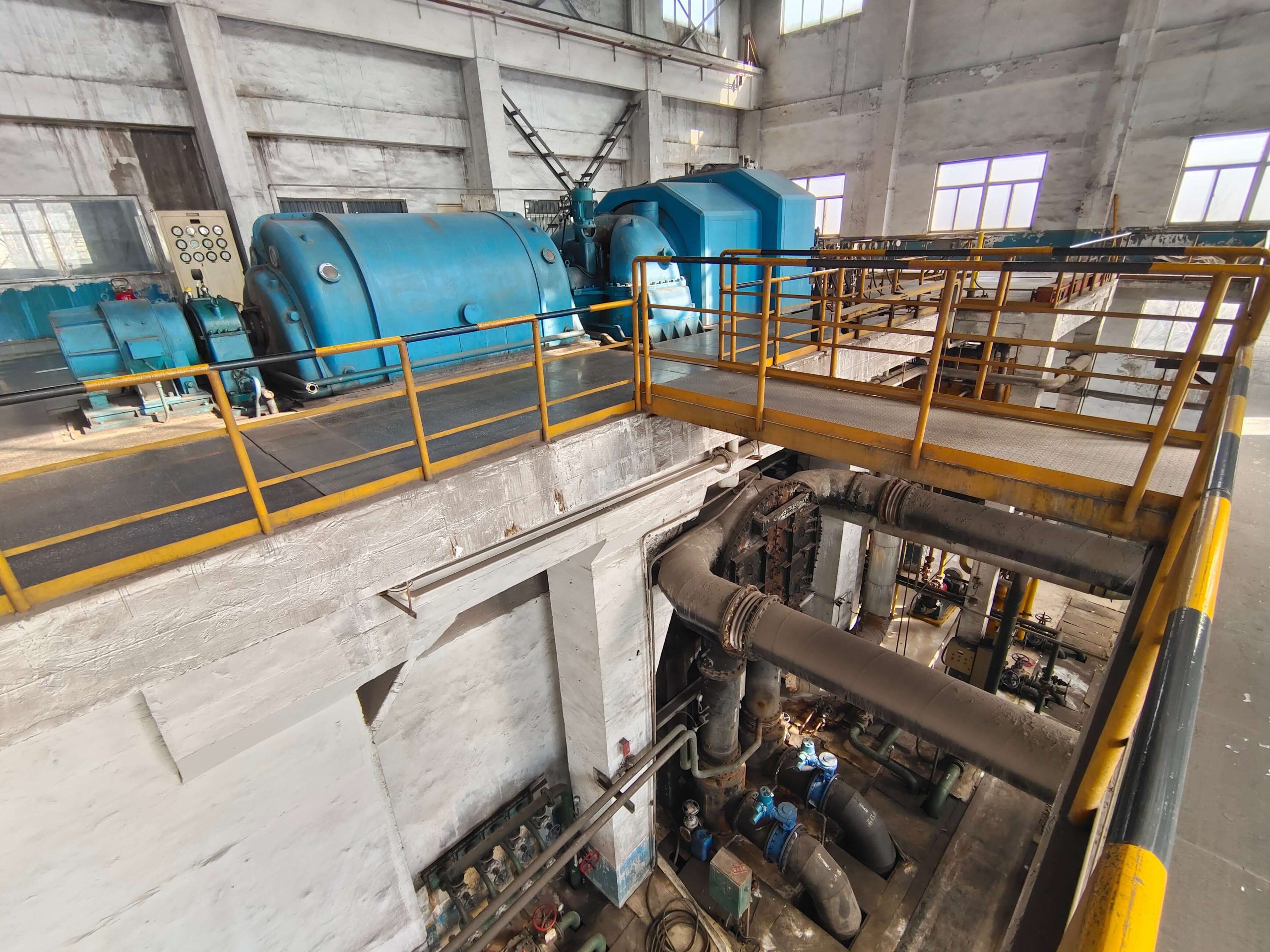
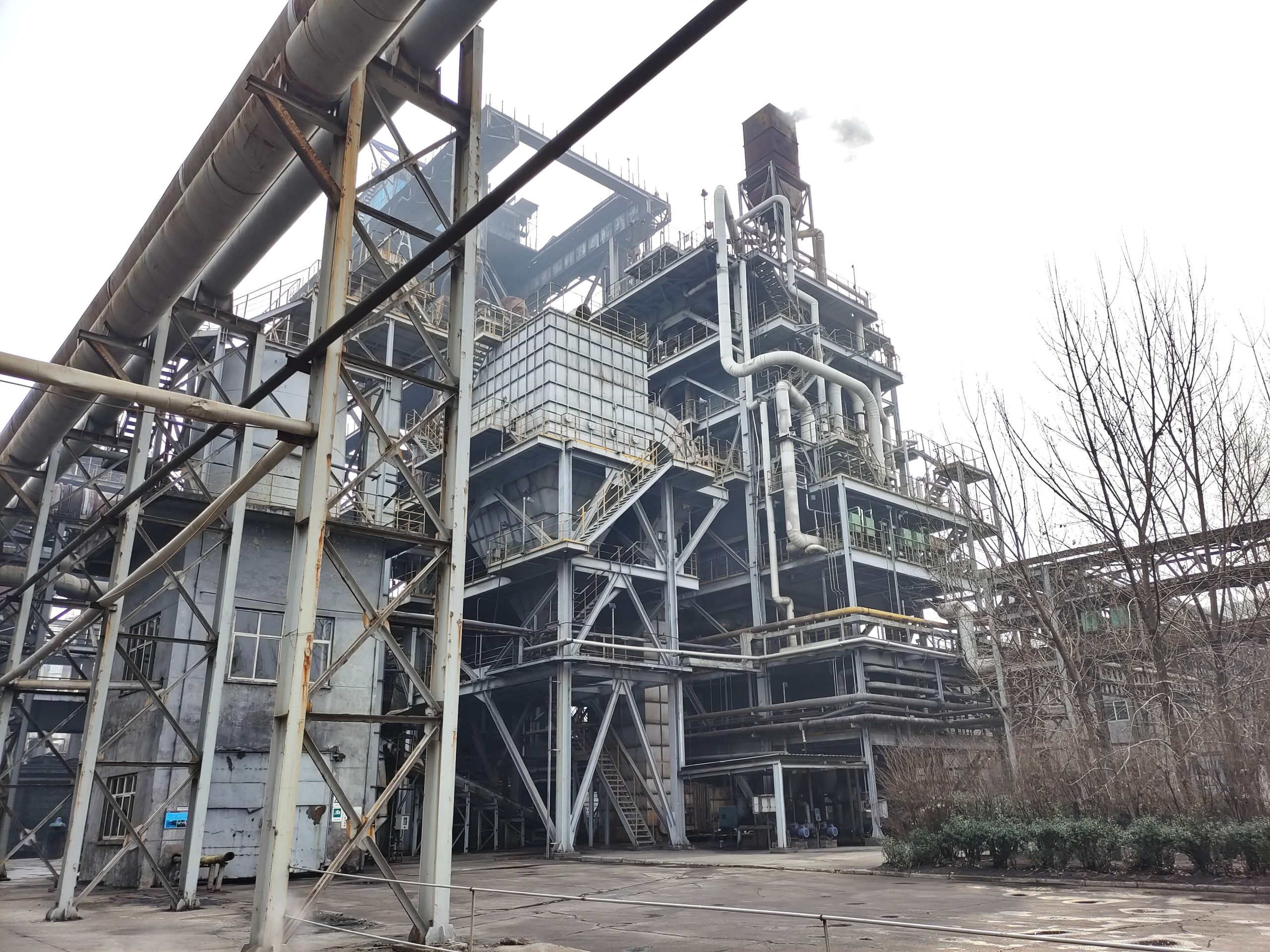
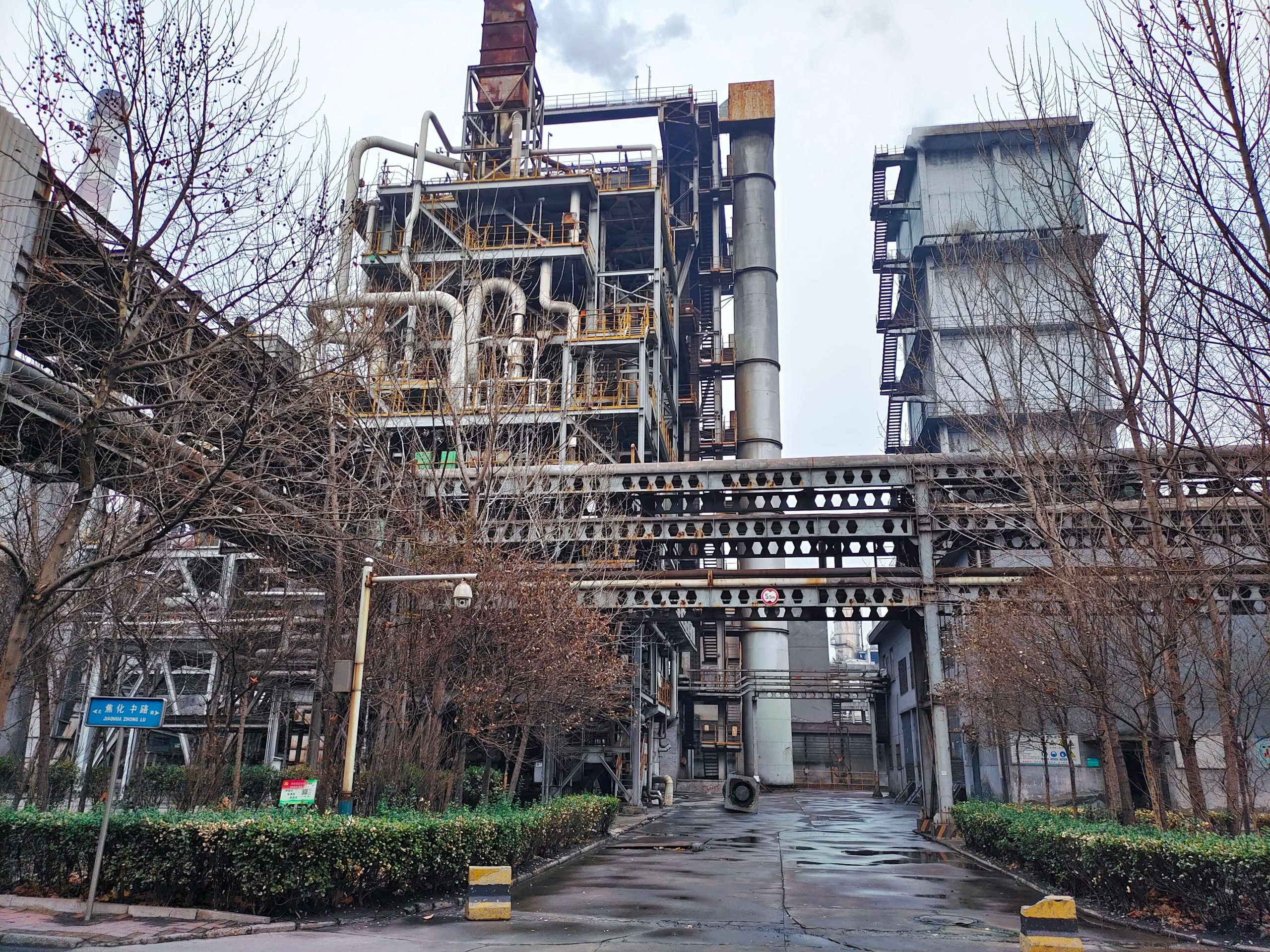
The dry coke quenching power generation station of Hesteel Handan Energy Center is equipped with two 15MW steam turbine generator sets and a circulating water pump station. The main users of the circulating water station are steam turbine condensers, cooling of auxiliary equipment of the units, and cooling of some equipment of the coking dry quenching plant.
The recycled water replenishment source is the treated water and desalted water produced by the steel plant’s sewage treatment plant. The salt content in the water, especially the hardness, is relatively high (hardness 300-500mg/L). Mineral scale and bacteria problems affect the heat exchange efficiency and power generation efficiency of the power plant. Currently, power plants consume a large amount of chemicals and water to solve the above problems, which also brings equipment corrosion and environmental pollution problems.
Renovation Plan
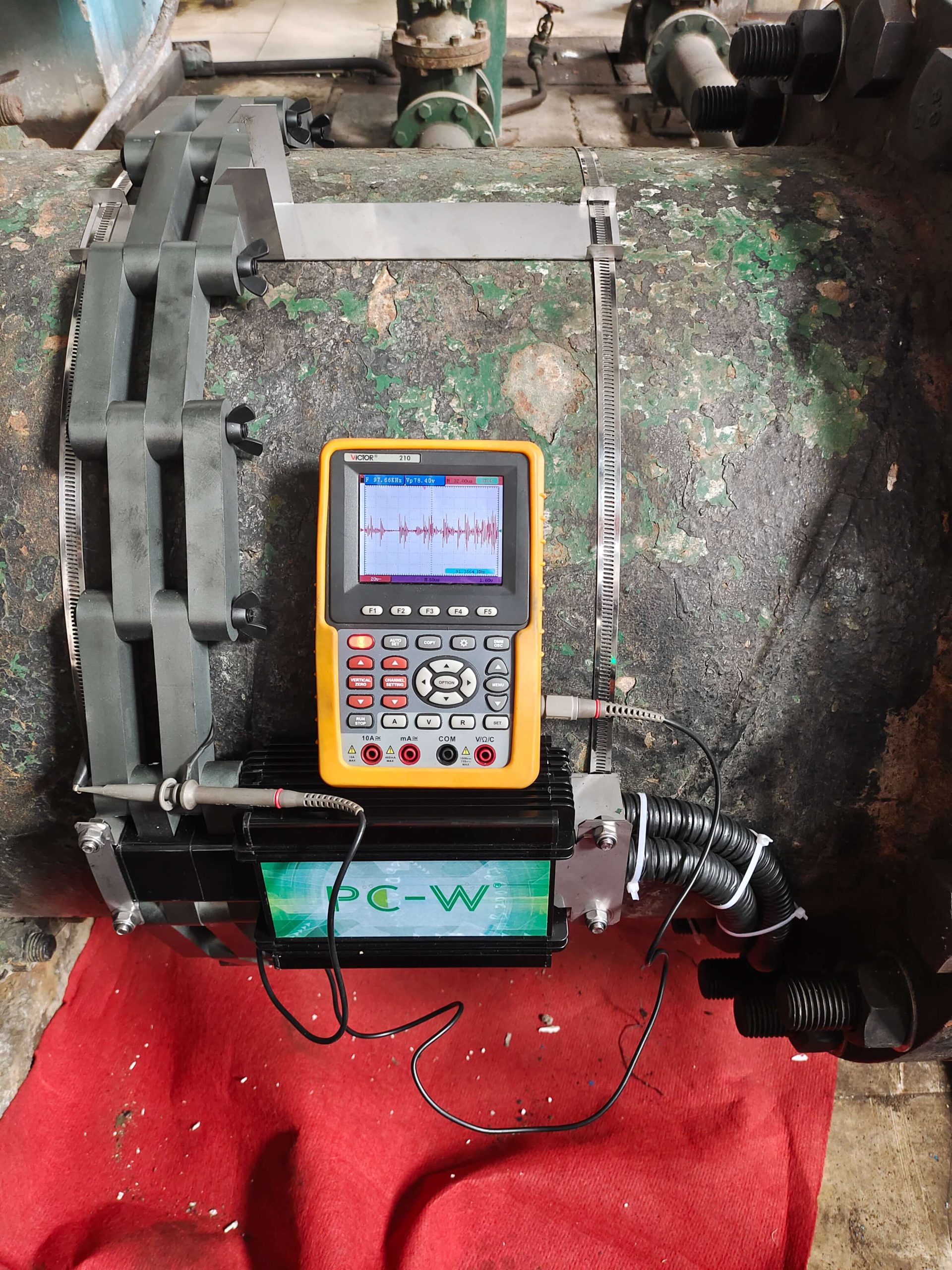
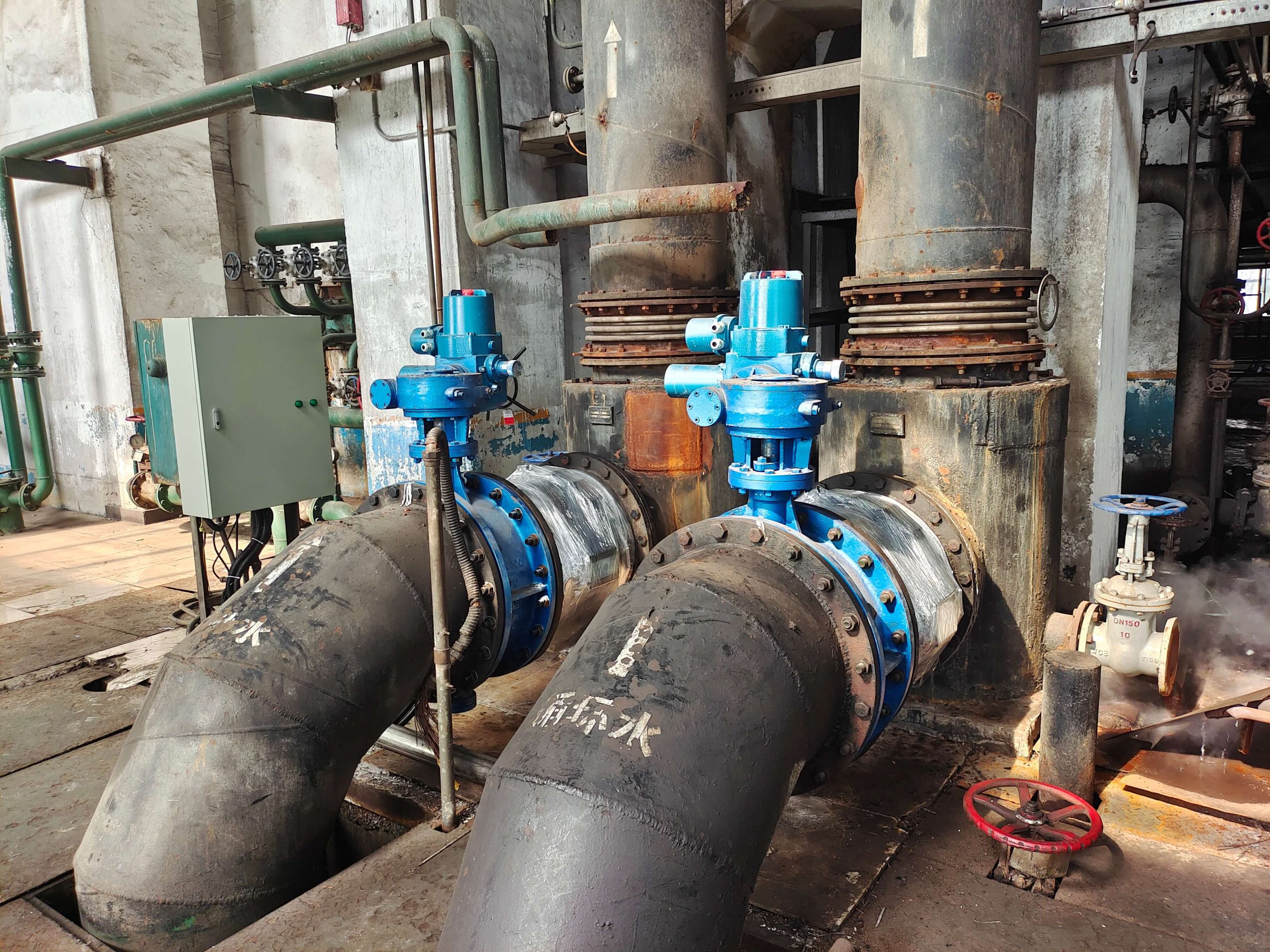
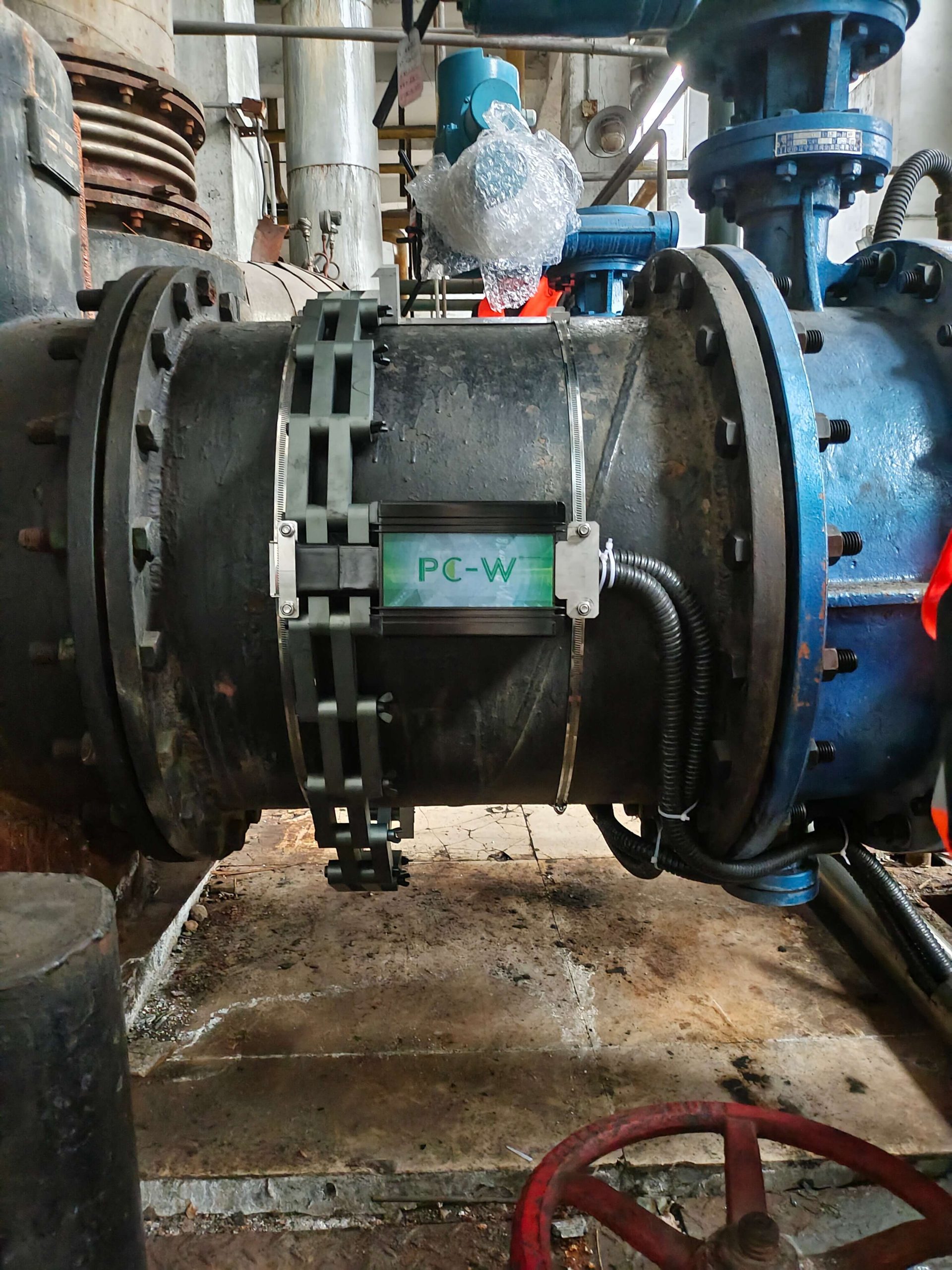
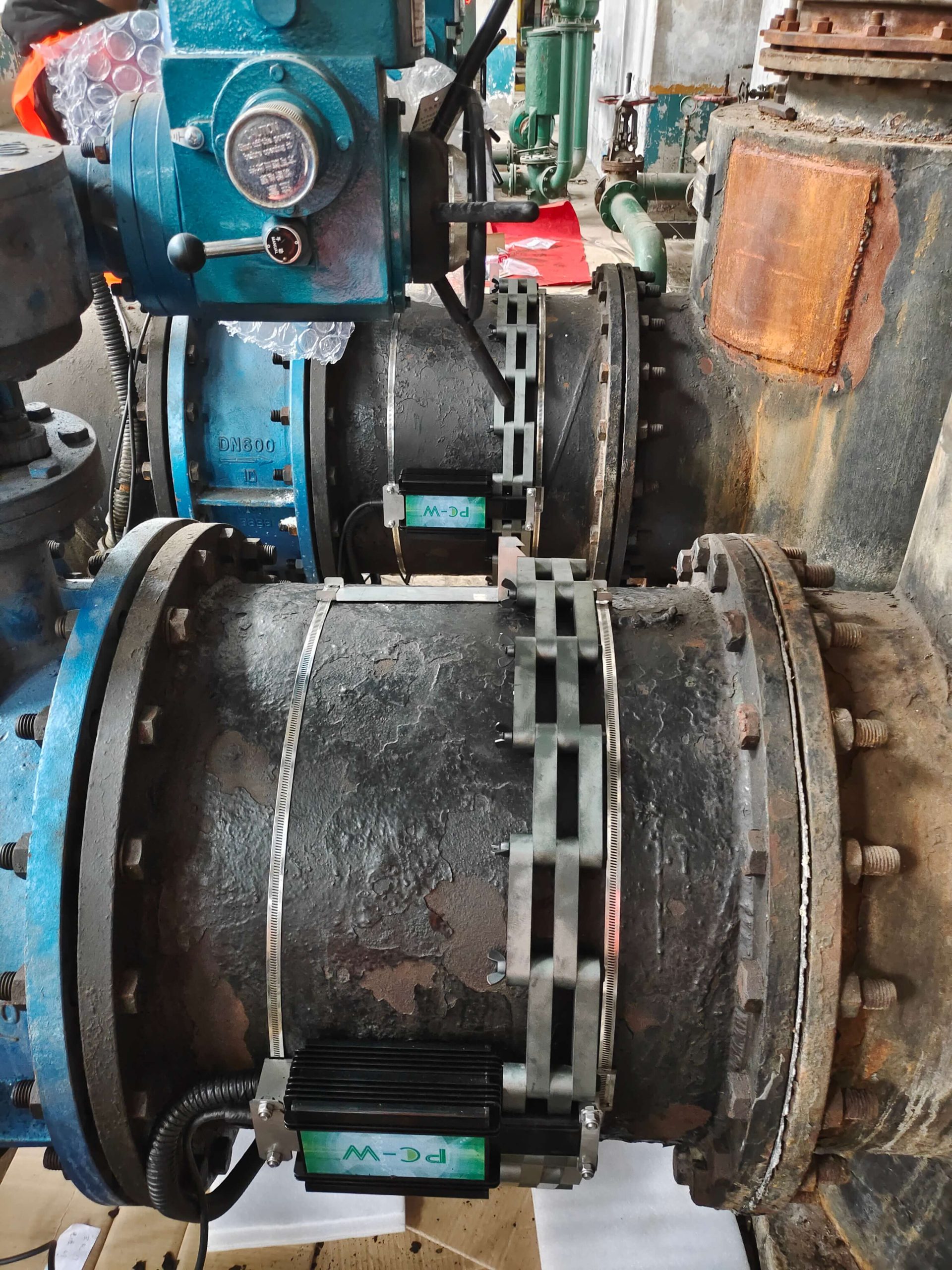
- A total of four sets of descaling devices are installed on the four DN600 water inlet pipes of the condensers of units 1# and 2# to reduce the formation of hard water scale in the condensers. In this process, the concentration multiple is increased, and the amount of water replenishment and emissions is reduced, thus achieving ultra-low emissions.
Test Method
- The operation data of the condenser, the main heat exchange equipment of the power plant, and the circulating water data were collected and analyzed before and after the transformation;
Results
- The condenser was opened for inspection 3 months after installation. Compared with before installation, no new hard scale was formed, which significantly inhibited bacterial growth and reduced biological sludge adhesion.
- The concentration multiple is increased (controlled at 4.5~5), the amount of water replenishment and discharge is reduced and long-term stable operation is achieved, thus achieving ultra-low emissions. Since the discharged wastewater has lower salt content and less water, the difficulty of reclaimed water reuse is reduced and the cost of reclaimed water treatment is saved.
Real Case Scene Pictures